Long before vape pens and dab rigs, there was hash. For centuries, people across the Middle East, North Africa and the Himalayas have collected the sticky resin of the cannabis plant and pressed it into one of the world’s oldest cannabis concentrates. Today, hash comes in more styles than ever, from hand-rolled Nepalese temple balls to modern ice water bubble hash.
This guide takes you on a tour of the most important types of hash, explains how they differ, and helps you choose the right one. Ready to shop? Browse our full hash collection.
Contents
- What Is Hash?
- The Main Types of Hash
- Quick Comparison Table
- How to Spot Quality Hash
- How People Enjoy Hash
- How to Store Hash
- FAQs
What Is Hash?
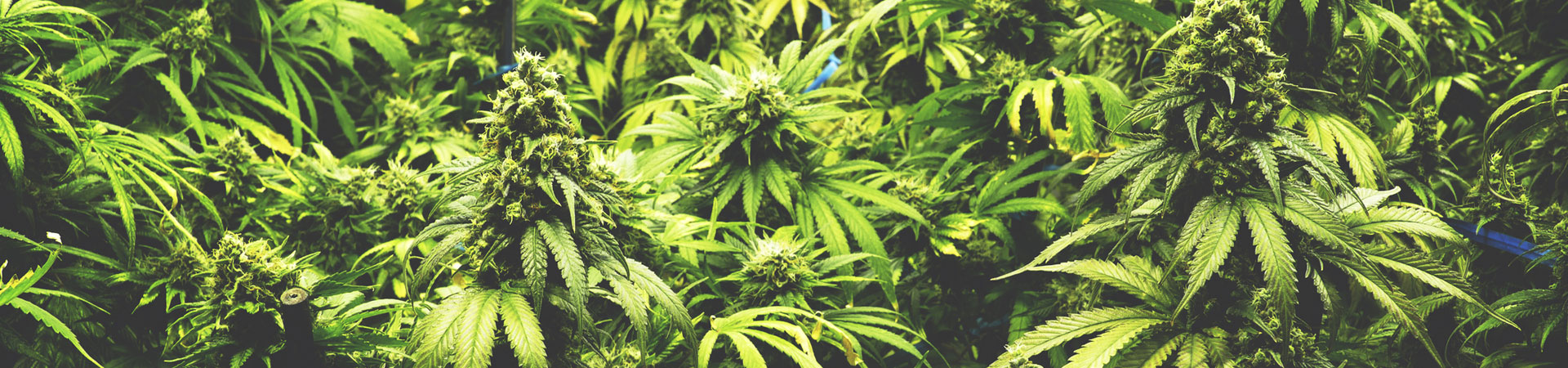
Hash (short for hashish) is a cannabis concentrate made from trichomes, the tiny, sticky, crystal-like resin glands that cover cannabis flowers. These trichomes hold most of the plant’s cannabinoids and aromatic terpenes. Collect enough of them, press them together, and you have hash.
What makes each type of hash different is how the trichomes are collected and how they’re pressed or shaped. That’s why hash can take the form of spheres, bricks, “cakes,” fingers, sticks or loose powder.
New to cannabis terms like trichomes and terpenes? Start with our guide: Cannabis Strains Explained: Indica vs Sativa vs Hybrid.
The Main Types of Hash: A World Tour
1. Charas – The Hand-Rubbed Original (Indian Subcontinent)
Charas is one of the oldest forms of hash. It’s made by rubbing fresh, living cannabis buds between the palms, sometimes for hours, until resin builds up on the hands. That resin is then collected and shaped, traditionally into dark, sticky fingers or balls. Charas is closely associated with the Himalayan regions of India and Nepal.
Try it: Charas Hash
2. Nepalese Hash and Temple Balls (Nepal)
Nepal is famous for its hand-crafted hash. Temple balls are hand-rolled into dense, oily spheres, a style closely related to charas. Some collectors age their temple balls, much like fine wine, to develop deeper flavors. Nepalese hash also comes in stick form.
Try it: Nepalese Temple Balls, Nepalese Stick Hash and Super Nepalese Hash
3. Afghan Hash and Black Hash (Afghanistan)
Afghan hash is the classic pressed hash. Resin is collected and pressed using the traditional Afghan method, producing a dark hash often described as soft and pliable. Its deep color is why it’s widely known as black hash. Afghanistan’s hash tradition is one of the most famous in the world.
Try it: Afghan Black Hash
4. Moroccan Hash and Dry Sift (Morocco)
Dry sift hash is made by gently passing dried cannabis over fine screens, which separate the trichomes from the plant material. The loose powder collected is called kief, and pressing it creates traditional hash. Morocco’s lighter-colored “blonde hash” is perhaps the most famous dry-sift style in the world, and North African hash is often pressed into bricks or “cakes.”
Try it: Moroccan Hash, Honey Moroccan Blonde Hash, Moroccan Primero Hash, Moroccan Caramello Hash and Moroc Caramello
5. Bubble Hash – The Modern Ice Water Method
Bubble hash, also called ice water hash, is a newer style that gained popularity in North America in the late 1990s. It uses ice, water and a series of fine mesh bags to separate trichomes from the plant. It gets its name from the way it bubbles when heated. Because no chemical solvents are used, bubble hash is considered a solventless concentrate, and the highest grades are known as “full melt.”
Try it: Bubble Hash and Ice Hash Stick
6. Scissor Hash – The Grower’s Bonus
Scissor hash is the sticky resin that builds up on the blades of scissors while trimming cannabis. It’s collected by hand in small amounts, which makes it a rare, craft-style hash.
Try it: Scissor Hash
7. Iso Hash
Unlike the solventless styles above, iso hash is made using isopropyl alcohol to separate the resin, which is then removed before the hash is finished. It’s a solvent-based style of hash.
Try it: Iso Hash
8. Dutch-Style Hash
The Netherlands, home of the famous coffee shop culture, has its own hash tradition. “Nederhash” is a name used for hash produced in the Netherlands.
Try it: Nederhash Hashish
Bonus: Moon Rocks
Not technically hash, but closely related. Moon rocks are cannabis buds coated in cannabis oil and rolled in kief, making them much stronger than regular flower.
Try it: Moon Rock
Quick Comparison Table
| Type | How it’s collected | Traditional region | Solventless? |
|---|---|---|---|
| Charas | Hand-rubbed from fresh plants | India, Nepal | Yes |
| Temple Balls | Hand-rolled into spheres | Nepal | Yes |
| Afghan Black Hash | Pressed resin, traditional Afghan method | Afghanistan | Yes |
| Moroccan / Dry Sift | Sifted through screens, then pressed | Morocco | Yes |
| Bubble Hash | Ice water and mesh bags | Modern (North America) | Yes |
| Scissor Hash | Scraped from trimming scissors | Grow rooms everywhere | Yes |
| Iso Hash | Isopropyl alcohol separation | Modern | No |
How to Spot Quality Hash
- Aroma: good hash smells rich and fragrant. A weak or musty smell can mean it’s old or poorly stored.
- Texture: many traditional hashes soften slightly when warmed in your fingers.
- The bubble test: quality hash tends to bubble and melt when heated, rather than catching fire straight away.
- Purity: look for hash that’s free of visible plant debris, dust or mold.
How People Enjoy Hash
- Crumbled into a joint or sprinkled over flower in a bowl
- In a small hash pipe designed for concentrates
- Vaporized, using a device made for concentrates
- Dabbed, which is mainly for high-grade full melt bubble hash
Go slow: hash is much more concentrated than flower. Start with a very small amount and wait before having more. Never drive after using cannabis, and keep hash locked away from children and pets.
Prefer flower? Browse our indica, sativa and hybrid strains.
How to Store Hash
- Keep it airtight. A glass jar or sealed container protects aroma and freshness.
- Keep it cool and dark. Heat and light break down terpenes and cannabinoids.
- Avoid moisture. Damp conditions can lead to mold.
- Keep it secure. Store it locked away from children and pets.
Hash FAQs
What is hash made of?
Hash is made from trichomes, the resin glands on cannabis flowers that contain cannabinoids and terpenes. They’re collected and pressed together.
What’s the difference between charas and hash?
Charas is a type of hash made by hand-rubbing fresh, living cannabis plants. Most other hash is made from dried plants, using sifting or ice water.
What’s the difference between bubble hash and dry sift?
Dry sift separates trichomes by passing dried cannabis over screens. Bubble hash uses ice water and mesh bags. Both are solventless.
Why is it called black hash?
Traditional pressed hash like Afghan hash is often very dark in color, which is why it’s widely called black hash.
Is hash stronger than weed?
Generally, yes. Hash is a concentrate, so it’s typically more potent than regular cannabis flower. Start with a small amount.
What is kief?
Kief is the loose, powdery collection of trichomes gathered by sifting. Pressing kief creates traditional hash.
Keep Exploring
Learn more on our blog: read Cannabis Strains Explained, or explore strain guides like Blue Cheese and Black Mamba.
Questions about our hash or your order? Visit our FAQ or contact us.
This article is for informational purposes only and is not medical advice. Cannabis is for adults only. Check your local laws before purchasing.